Evaluating whether Seattletraffic.gov could actually help commuters.
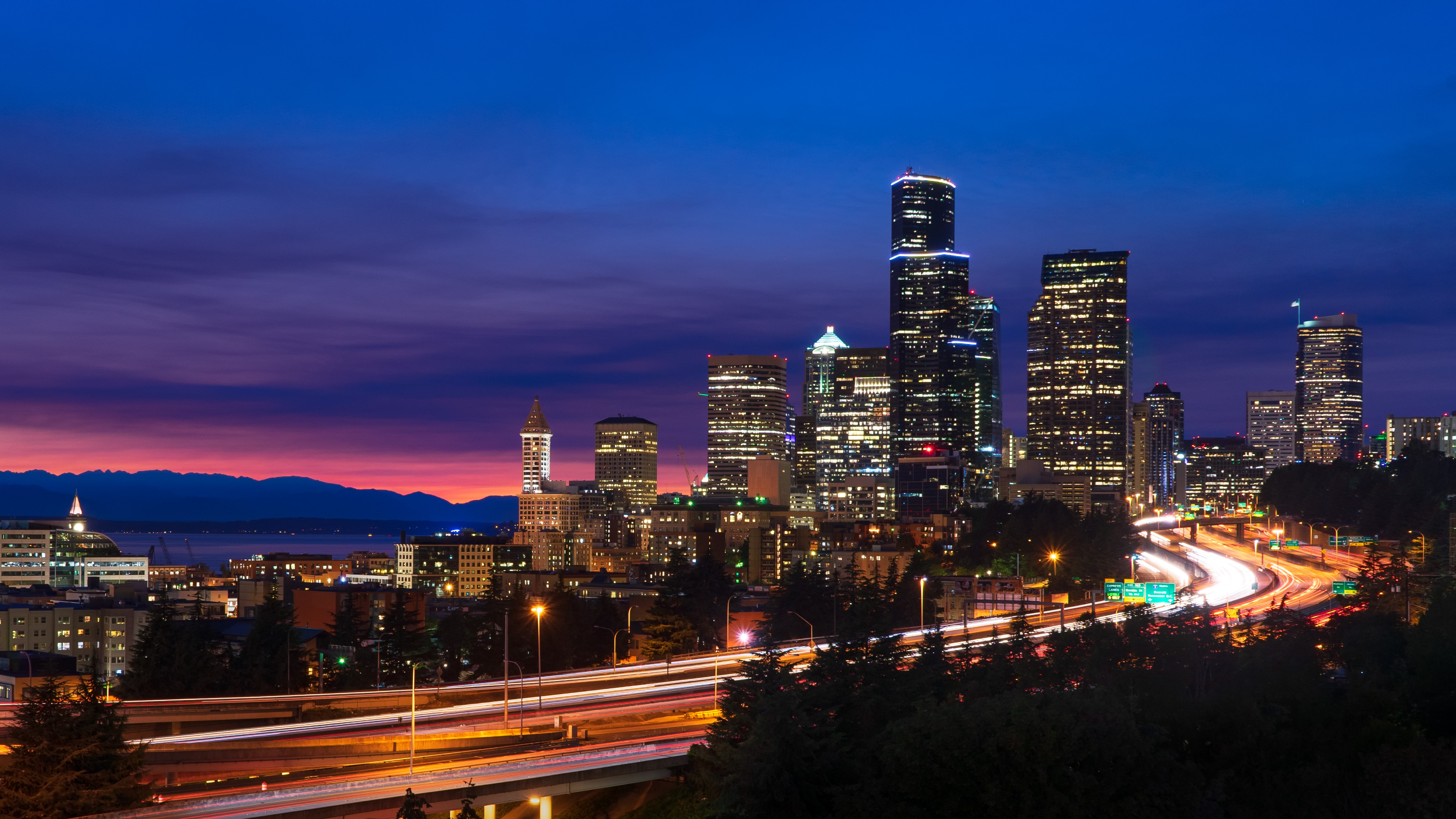
This coursework project was conducted for the Seattle Department of Transportation during the “Seattle Squeeze,” a period of major construction projects expected to disrupt commutes through downtown Seattle.
SDOT had launched Seattletraffic.gov to help people understand the changes and adjust how they traveled. Our research team evaluated whether the website made that planning information easy enough to find, understand, and act on.
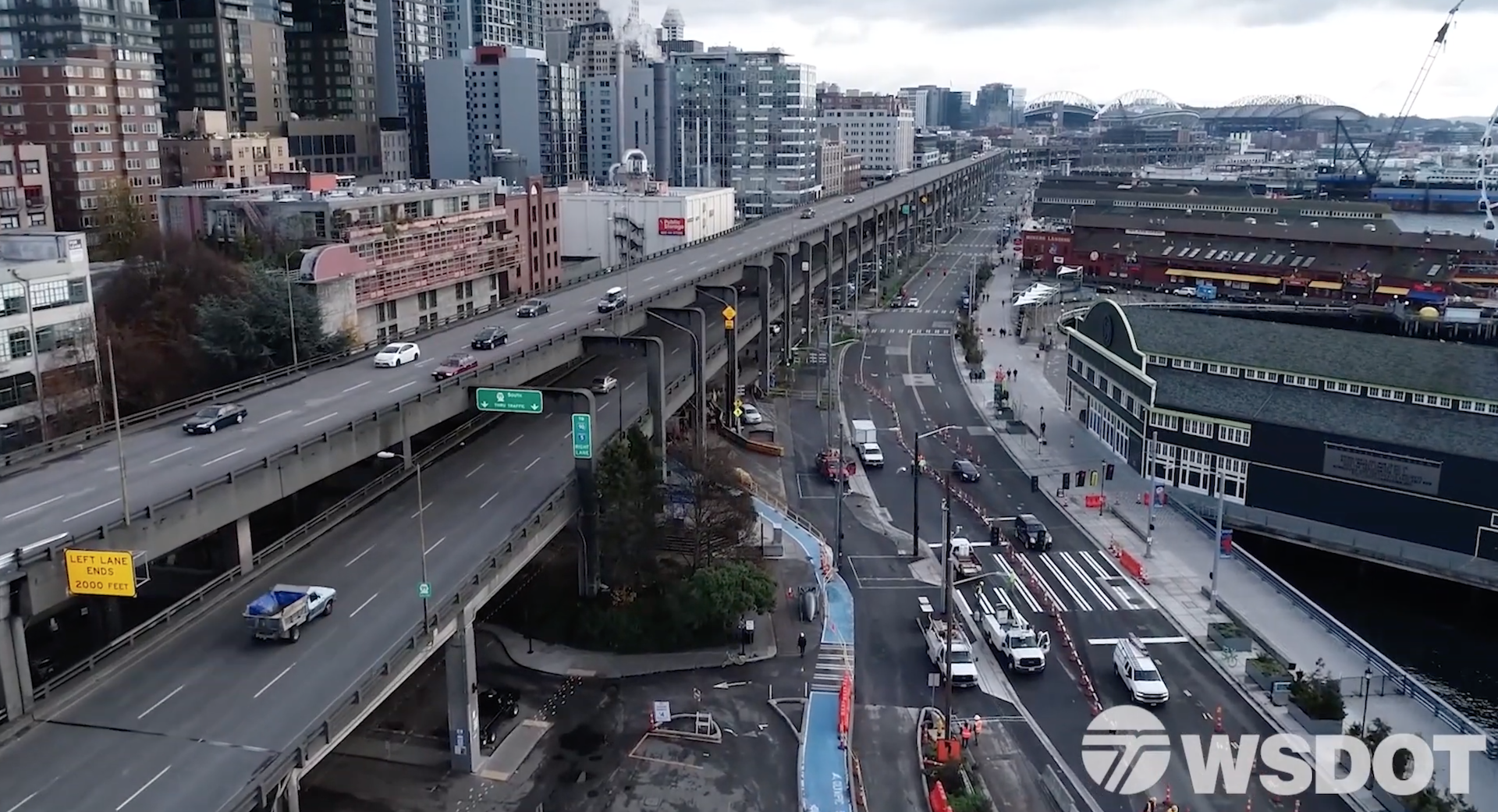
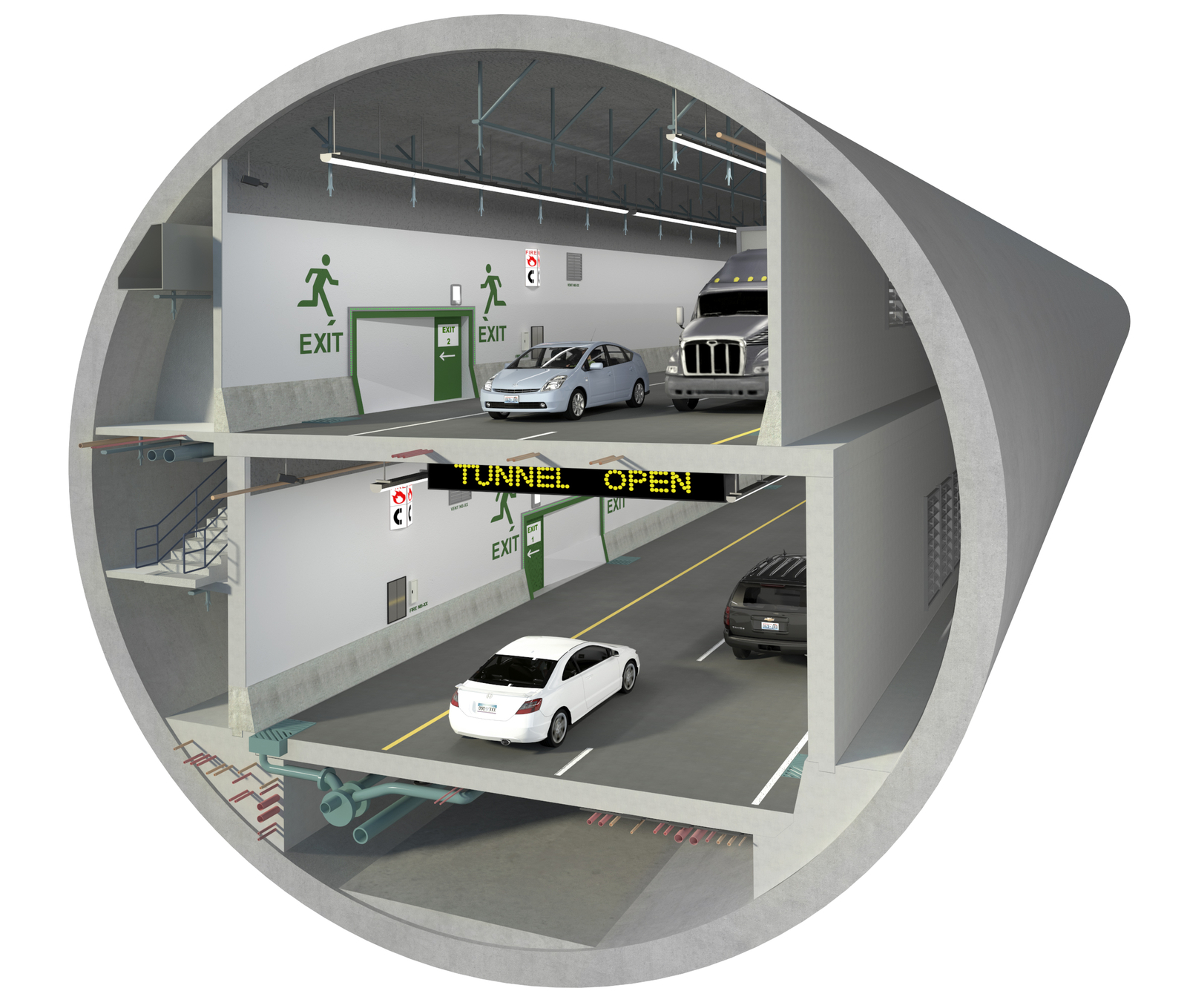
The Alaskan Way Viaduct and the SR 99 tunnel were part of the context commuters were trying to understand.
Research questions
Method
121
Recruiting responses
7
Selected participants
5
Moderated usability tasks
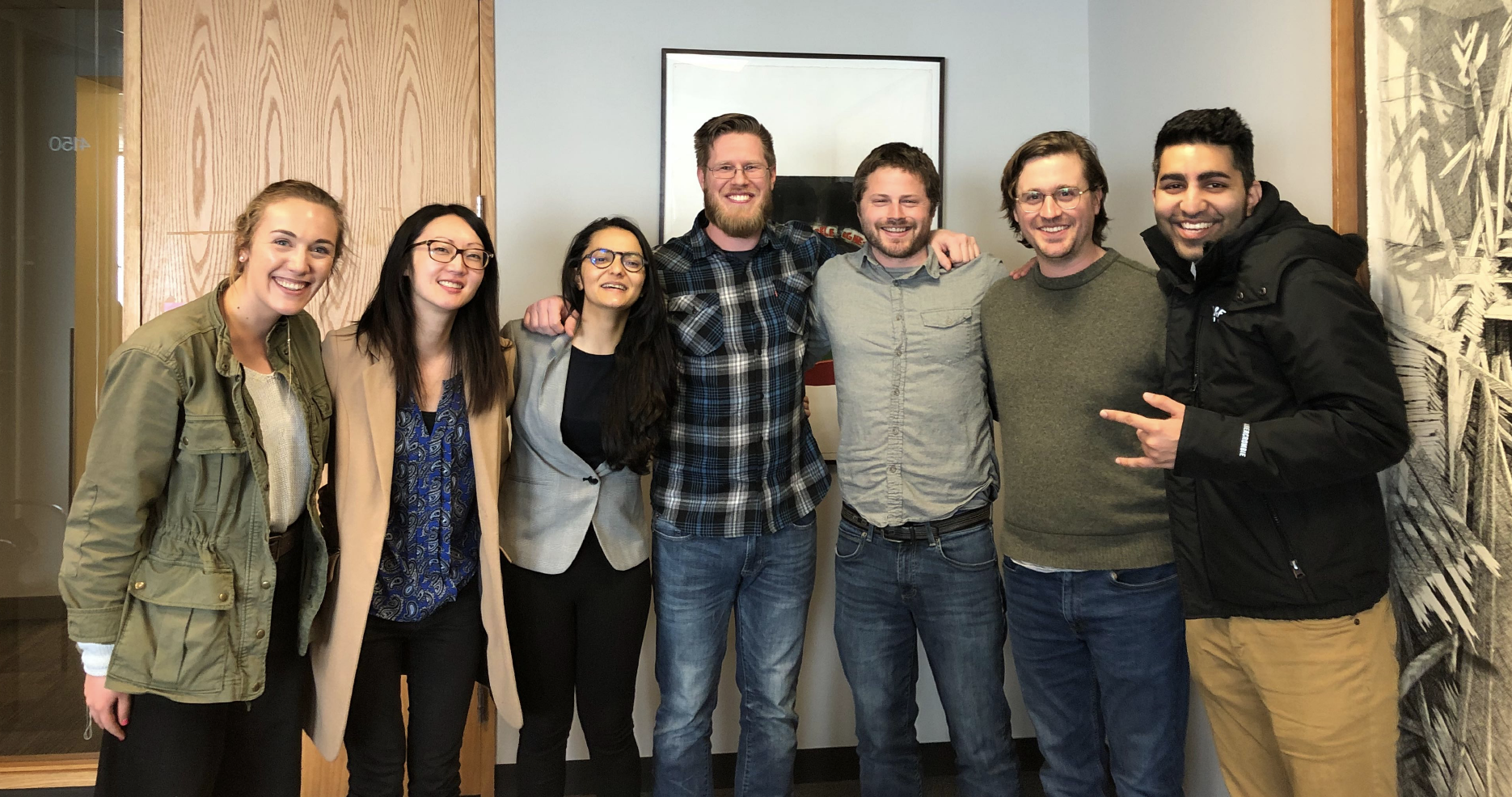
Participants had to commute to or through downtown Seattle at least once a week, be over 18, and own a smartphone. We ran in-person moderated sessions, captured smartphone screens through Zoom, recorded audio, and used think-aloud protocol.
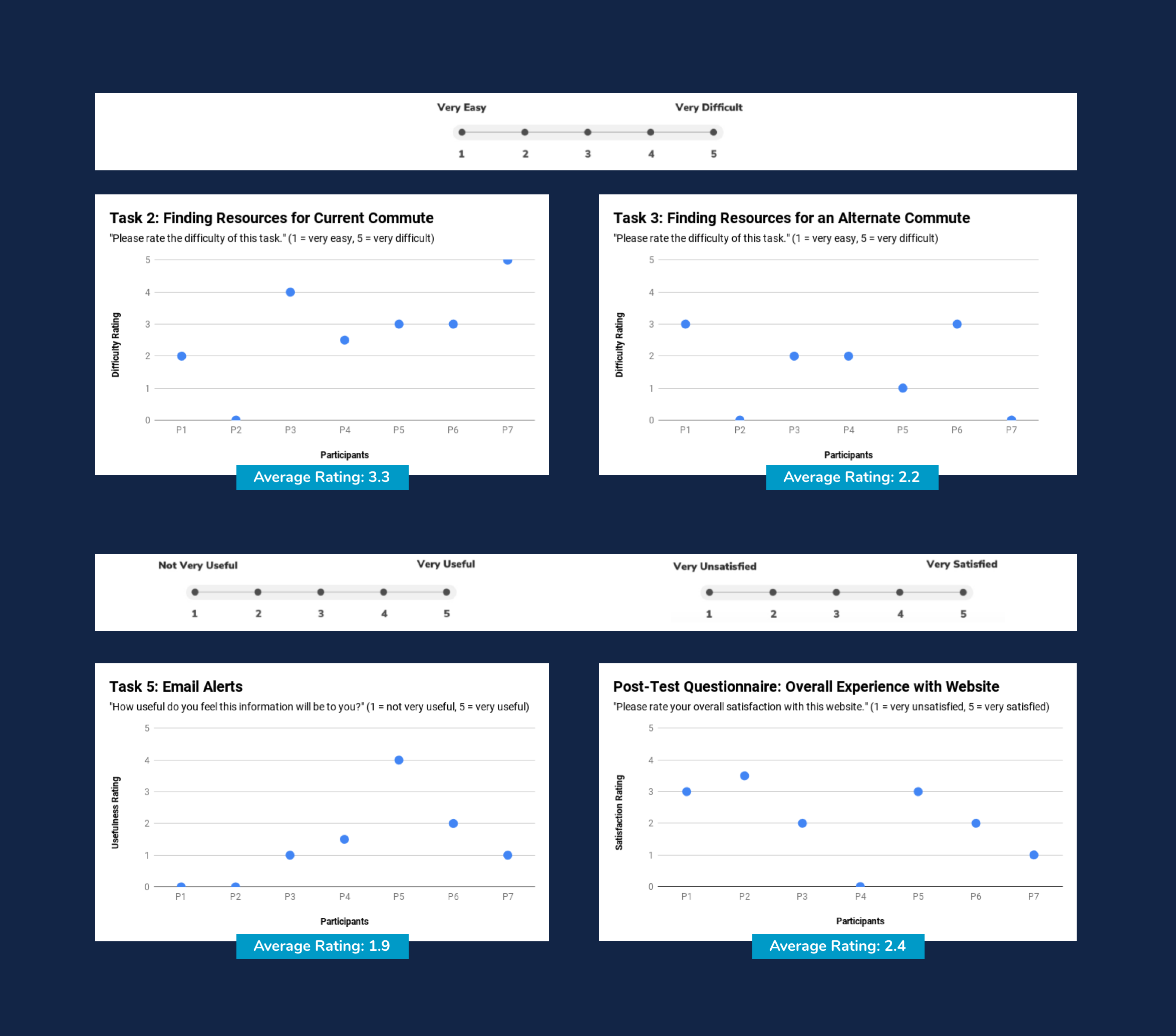
Each session included a pre-test questionnaire, five tasks, post-task questions, and a post-test questionnaire. Sessions averaged about one hour.
Task list
- Explore the site and skim as many pages as possible.
- Find resources that identify issues related to a current commute.
- Find resources to plan an alternative commute.
- Assess the Traveler’s Map and Projects & Construction Map.
- Find one or more sources of daily traffic updates and sign up for them.
Findings and recommendations
Homepage
The site front-loaded too much information.
Participants were overwhelmed by the amount of text and wanted the site to anticipate the most relevant information for them.
6 of 7 participants mentioned this
Homepage
The project timeline was unclear.
Participants struggled to understand what construction projects were happening, when they would happen, and how those changes would affect their commutes.
4 of 7 participants mentioned this
Current Traffic
The current-traffic page centered drivers.
Participants using transit, bikes, or mixed modes found little value on a page that mostly served car commuters.
All participants mentioned this
Current Traffic
The map looked interactive but was not useful enough.
All seven participants tried to interact with the map and became frustrated when it did not behave like a planning tool.
All participants mentioned this
Recommended changes
- Show a clear timeline of major construction projects.
- Let commuters filter information based on route, mode, and location.
- Make key resources succinct and upfront.
- Remove or reframe the car-centered current-traffic page.
Limitations
The study was bounded by time and exposure. Participants encountered the site for the first time during a one-hour session, so we could not evaluate long-term usage or whether the site changed real commuting behavior over time.
We also did not recruit full-time car drivers, so the findings were strongest for mixed-mode, transit, and non-car commuters.